
Creating Green Growth
We are creating green growth. We are an international company, with a strategy of satisfying people’s essential needs for clean food, air and water. We promote professional growing and home gardening, the construction of attractive and pleasant living environments and the well-being of animals. We provide our customers local fuels and produce activated carbon for air and water purification.
Watch a videoGet to know our products
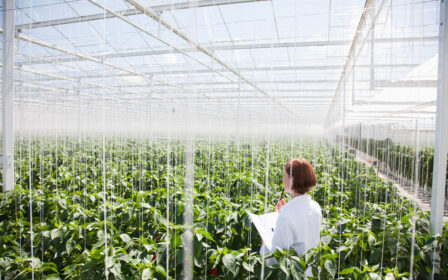
Sustainable growing
Together with our customers and stakeholders we can create a future, where we all, as a green industry, are able to face the global sustainability challenges. Our strategy is to improve our net positive impact every year. With our products and services professional growers, home gardeners and landscaping professionals are able to get more with less water, fertilizers and energy. We want to create sustainable green growth.

Renewable energy
We are concentrating in the future to multiple new renewable energy sources. We offer our customers renewable wood pellets. At the same time we focuse on utilizing our old peat production areas in a new way. We have many ongoing projects where we turn those areas to wind farms, solar farms and carbon sinks.

Green innovations
Our aim is to create new high value added products from local organic raw materials from the Nordics using modern and most sustainable production technologies. We offer high-guality activated carbon products which are suitable for various end use applications, such as in gas, water and air purification. We also brought high-quality humic products on the international biostimulant market in 2023.
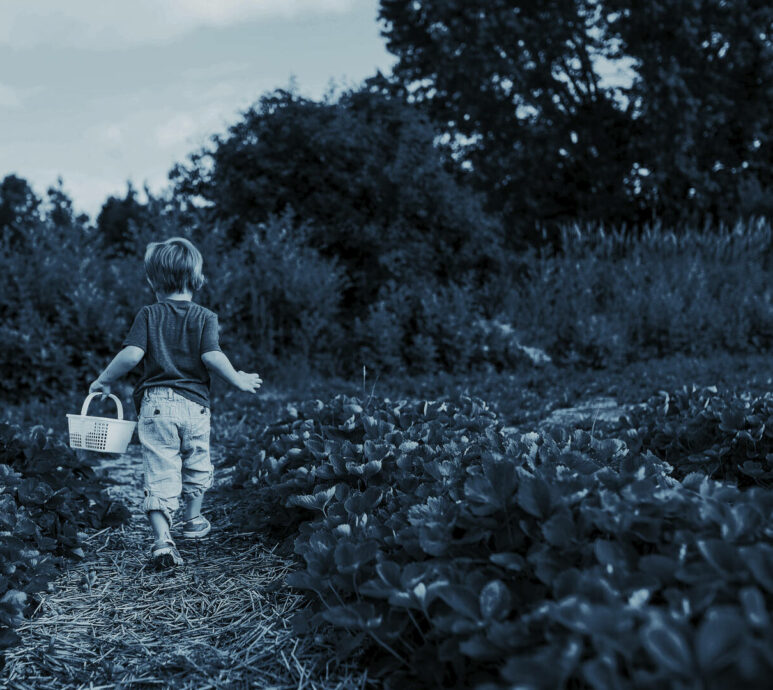
Sustainability guides our business
Our sustainability target is to become a net positive company. By combining our world-class expertise with local natural raw materials, we create products for growing plants and purifying air and water. We create new circular economy models which revive local communities and help our customers achieve their goals. Continuous renewal is our strength. We are committed to continuously improving our operations and developing our environmental efforts. We want to be recognised as a responsible and sustainable company wherever we operate.
Read moreNews & articles

Our solutions to secure the essentials for life.
This planet requires healing. We need to secure the essentials for life: clean food, air and water for everyone – while respecting nature and its inhabitants. It is crucial to guard our natural resources and find new ways to circulate them.
We develop new recipes for green growth. Our customers seek ways to improve their business in a sustainable, profitable way. We use the best global expertise and local natural ingredients to feed plants, purify the air and clean water. We create local circular ecosystems that vitalize entire communities and help our customers to exceed their targets.